In the commodity war, Bitcoin has a role to play
 4 Min. Lesezeit
- Ethereum
Thankfully, we suggested in our latest newsletter to take a proper rest away from the charts and the headlines before heading into 2026. We are only a few days in, and let’s say it has been a rocky start.
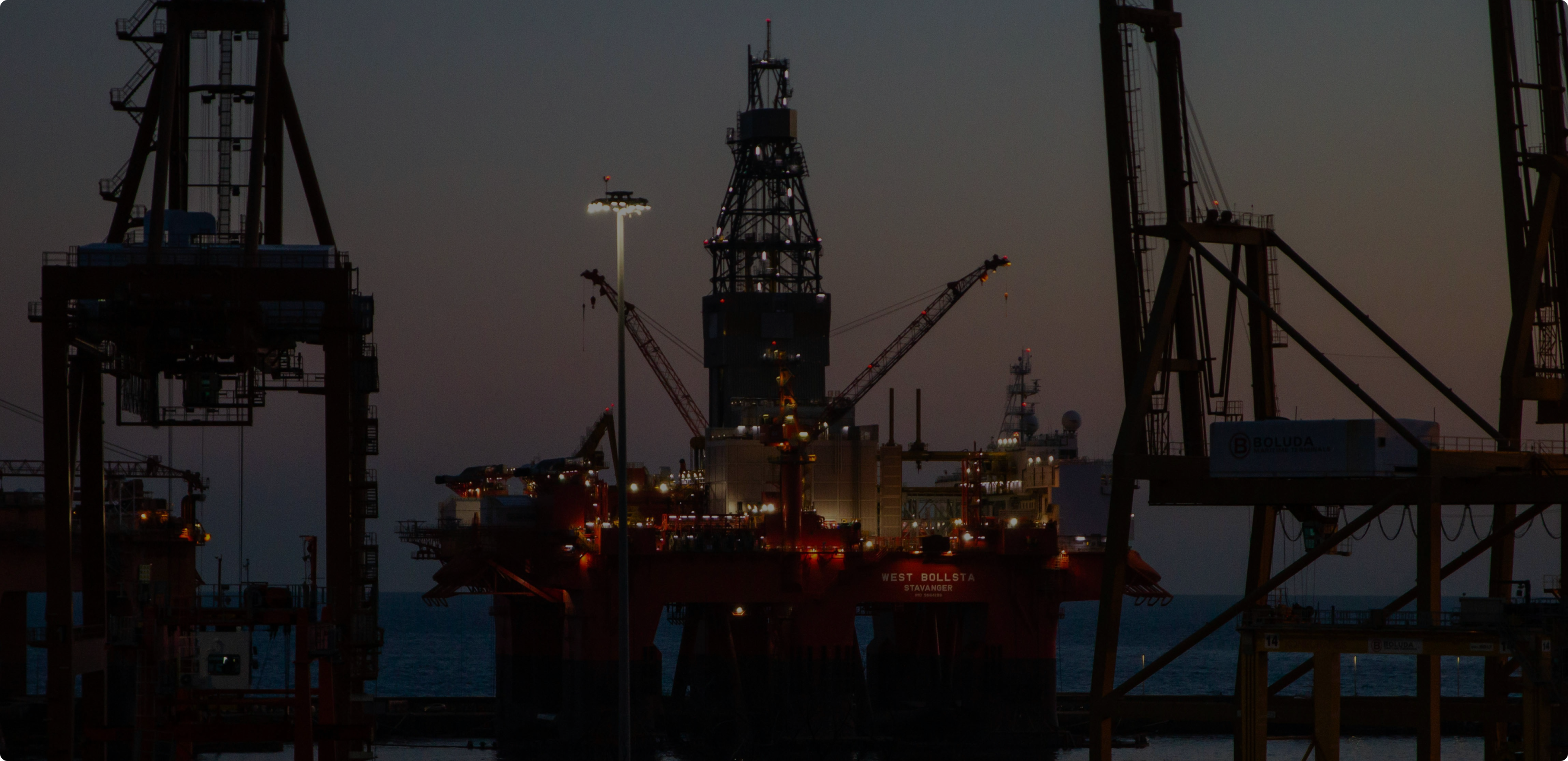
In the unpredictable scheme of things, one picture remains clear: commodities will be one of the hottest topics. Between Venezuela and Greenland, all eyes are focused on oil and rare earths, with a ferocity that recalls the societal collapse of the Australia imagined by George Miller forty years ago.
In an era of seizable lands, and therefore seizable assets, there is one commodity that is proving increasingly strategic. Yes, I know you know where this is going: Bitcoin.
This is no coincidence. Russia, for instance, has increasingly shifted toward a more positive stance on the asset. As reported by Bloomberg, its central bank is about to legalise domestic purchases for retail buyers. At the same time, Vladimir Putin’s inner circle is now openly admitting that Bitcoin is part of Russia’s “export sector”, meaning the country is mining and selling it. In a recent Russian podcast, former deputy governor of the Central Bank of Russia Oleg Vyugin also predicted that in the coming years, although unlikely to replace gold, Bitcoin should appreciate against the dollar. Last year, he was also quoted suggesting that Bitcoin could back and support the ruble.
It is a fact: as international sanctions push several countries out of SWIFT, they are turning to Bitcoin, “the best neutral settlement asset”, as Lightspark CEO and former Meta VP David Marcus puts it. This week’s article from Fortune confirms it. The outlet cites analytics firm Chainalysis’ latest report, which highlights the growing use of digital assets by Russia and Iran, although 84% of criminal activity still flows through stablecoins, not Bitcoin. “While nation-states have been utilising cryptocurrency for a while, it’s happening at a different scale today,” writes Andrew Fierman, head of national security intelligence at Chainalysis.
Like it or not, this is a Bitcoin feature, not a bug. Bitcoin is hard to seize, and what is useful for sanctioned countries today may prove useful to individuals tomorrow. This is also precisely why Bitcoin mining is a strategic issue. It is no coincidence that Donald Trump said, in his characteristic exaggerated style, that he wanted “all the remaining Bitcoin to be MADE IN THE USA!!(sic)”. Nor that his son Eric Trump claimed that “it's a race to accumulate the most Bitcoin.” Nor that Russia is reportedly exploring the use of Ukraine’s Zaporizhzhia nuclear plant to mine Bitcoin. Nor that China is said to be returning aggressively to this space.
Owning even a small share of Bitcoin mining compute does not only mean generating resources. It also means being fully sovereign over one’s funds. No one can censor your transactions. As noted above, this is Bitcoin’s defining feature, one that is increasingly understood around the world, from small nations like Bhutan to the largest global powers.
Europe, however, largely remains an exception. France, for example, would rather sell its poorly executed “blockchain subsidiary” to a US mining giant than leverage its nuclear power to mine Bitcoin domestically.
History suggests that when it comes to commodities, countertrading European leadership is often a profitable strategy. While the Union continues to overlook the world’s first digital commodity, the rest of the world is fighting for it, alongside the many other resources it is already fighting over.