
This website uses cookies
We use cookies to personalise content and ads, to provide social media features and to analyse our traffic. We also share information about your use of our site with our social media, advertising and analytics partners who may combine it with other information that you’ve provided to them or that they’ve collected from your use of their services.
Consent Selection
Details
  • Necessary cookies help make a website usable by enabling basic functions like page navigation and access to secure areas of the website. The website cannot function properly without these cookies.

    • Learn more about this provideropens in a new window
      CookieConsentStores the user's cookie consent state for the current domain
      Maximum Storage Duration: 1 yearType: HTTP Cookie
    • Learn more about this provideropens in a new window
      bcookieUsed in order to detect spam and improve the website's security.
      Maximum Storage Duration: 1 yearType: HTTP Cookie
      li_gcStores the user's cookie consent state for the current domain
      Maximum Storage Duration: 180 daysType: HTTP Cookie
    • Learn more about this provideropens in a new window
      datadomeUsed in context with the website's BotManager. The BotManager detects, categorizes and compiles reports on potential bots trying to access the website.
      Maximum Storage Duration: 1 yearType: HTTP Cookie
    • _pk_testcookie_domainThis cookie determines whether the browser accepts cookies.
      Maximum Storage Duration: 1 dayType: HTTP Cookie
    • __cf_bm [x3]This cookie is used to distinguish between humans and bots. This is beneficial for the website, in order to make valid reports on the use of their website.
      Maximum Storage Duration: 1 dayType: HTTP Cookie
  • Preference cookies enable a website to remember information that changes the way the website behaves or looks, like your preferred language or the region that you are in.
    • Learn more about this provideropens in a new window
      lidcRegisters which server-cluster is serving the visitor. This is used in context with load balancing, in order to optimize user experience.
      Maximum Storage Duration: 1 dayType: HTTP Cookie
  • Statistic cookies help website owners to understand how visitors interact with websites by collecting and reporting information anonymously.
    • Learn more about this provideropens in a new window
      guestRegisters data on visitors' website-behaviour. This is used for internal analysis and website optimization.
      Maximum Storage Duration: 1 monthType: HTTP Cookie
    • Learn more about this provideropens in a new window
      personalization_idThis cookie is set by Twitter - The cookie allows the visitor to share content from the website onto their Twitter profile.
      Maximum Storage Duration: 400 daysType: HTTP Cookie
    • _pk_uidUsed by Piwik Analytics Platform to identify the visitor on repeat visits to the website.
      Maximum Storage Duration: 1 yearType: HTTP Cookie
      _pk_id#Collects statistics on the user's visits to the website, such as the number of visits, average time spent on the website and what pages have been read.
      Maximum Storage Duration: 1 yearType: HTTP Cookie
      _pk_ses#Used by Piwik Analytics Platform to track page requests from the visitor during the session.
      Maximum Storage Duration: 1 dayType: HTTP Cookie
    • FPGSIDRegisters statistical data on users' behaviour on the website. Used for internal analytics by the website operator.
      Maximum Storage Duration: 1 dayType: HTTP Cookie
      FPIDRegisters statistical data on users' behaviour on the website. Used for internal analytics by the website operator.
      Maximum Storage Duration: 400 daysType: HTTP Cookie
      FPLCRegisters a unique ID that is used to generate statistical data on how the visitor uses the website.
      Maximum Storage Duration: 1 dayType: HTTP Cookie
    • _gaRegisters a unique ID that is used to generate statistical data on how the visitor uses the website.
      Maximum Storage Duration: 2 yearsType: HTTP Cookie
      _ga_#Used by Google Analytics to collect data on the number of times a user has visited the website as well as dates for the first and most recent visit.
      Maximum Storage Duration: 2 yearsType: HTTP Cookie
  • Marketing cookies are used to track visitors across websites. The intention is to display ads that are relevant and engaging for the individual user and thereby more valuable for publishers and third party advertisers.
    • Learn more about this provideropens in a new window

      Some of the data collected by this provider is for the purposes of personalization and measuring advertising effectiveness. The provider may use the IP Addresses for ads measurement and ads personalization.

      ads/ga-audiencesUsed by Google AdWords to re-engage visitors that are likely to convert to customers based on the visitor's online behaviour across websites.
      Maximum Storage Duration: SessionType: Pixel Tracker
    • Learn more about this provideropens in a new window
      userRefererDetermines how the user accessed the website. This information is used by the website operator in order to measure the efficiency of their marketing.
      Maximum Storage Duration: 1 monthType: HTTP Cookie
    • Learn more about this provideropens in a new window
      #:session-dataTracks the individual sessions on the website, allowing the website to compile statistical data from multiple visits. This data can also be used to create leads for marketing purposes.
      Maximum Storage Duration: PersistentType: HTML Local Storage
      eng_mtTracks the conversion rate between the user and the advertisement banners on the website - This serves to optimise the relevance of the advertisements on the website.
      Maximum Storage Duration: PersistentType: HTML Local Storage
      t_gidThis cookie assigns a specific visitor ID, when the visitor interacts with ads or content from the website - this allows the website to target the visitor with similar ads or content.
      Maximum Storage Duration: 1 yearType: HTTP Cookie
      t_pt_gidCollects information on user preferences and/or interaction with web-campaign content - This is used on CRM-campaign-platform used by website owners for promoting events or products.
      Maximum Storage Duration: 1 yearType: HTTP Cookie
      taboola global:user-idSets a unique ID for the visitor, that allows third party advertisers to target the visitor with relevant advertisement. This pairing service is provided by third party advertisement hubs, which facilitates real-time bidding for advertisers.
      Maximum Storage Duration: PersistentType: HTML Local Storage
      taboola_session_idThis cookie is used to collect information on a visitor. This information will become an ID string with information on a specific visitor – ID information strings can be used to target groups with similar preferences, or can be used by third-party domains or ad-exchanges.
      Maximum Storage Duration: SessionType: HTTP Cookie
    • Learn more about this provideropens in a new window
      1/i/adsct [x2]Collects data on user behaviour and interaction in order to optimize the website and make advertisement on the website more relevant.
      Maximum Storage Duration: SessionType: Pixel Tracker
      muc_adsCollects data on user behaviour and interaction in order to optimize the website and make advertisement on the website more relevant.
      Maximum Storage Duration: 400 daysType: HTTP Cookie
      guest_idCollects data related to the user's visits to the website, such as the number of visits, average time spent on the website and which pages have been loaded, with the purpose of personalising and improving the Twitter service.
      Maximum Storage Duration: 400 daysType: HTTP Cookie
      guest_id_adsCollects information on user behaviour on multiple websites. This information is used in order to optimize the relevance of advertisement on the website.
      Maximum Storage Duration: 400 daysType: HTTP Cookie
      guest_id_marketingCollects information on user behaviour on multiple websites. This information is used in order to optimize the relevance of advertisement on the website.
      Maximum Storage Duration: 400 daysType: HTTP Cookie
    • _gcl_auUsed by Google AdSense for experimenting with advertisement efficiency across websites using their services.
      Maximum Storage Duration: 3 monthsType: HTTP Cookie
      _gcl_lsTracks the conversion rate between the user and the advertisement banners on the website - This serves to optimise the relevance of the advertisements on the website.
      Maximum Storage Duration: PersistentType: HTML Local Storage
    • pardot [x2]Used in context with Account-Based-Marketing (ABM). The cookie registers data such as IP-addresses, time spent on the website and page requests for the visit. This is used for retargeting of multiple users rooting from the same IP-addresses. ABM usually facilitates B2B marketing purposes.
      Maximum Storage Duration: SessionType: HTTP Cookie
  • Unclassified cookies are cookies that we are in the process of classifying, together with the providers of individual cookies.
    • cs_analytics_ip_blockedPending
      Maximum Storage Duration: SessionType: HTTP Cookie
      user_tokenPending
      Maximum Storage Duration: 1 yearType: HTTP Cookie
    • _twpidPending
      Maximum Storage Duration: SessionType: HTTP Cookie
Cookie declaration last updated on 8/20/26 by Cookiebot
[#IABV2_TITLE#]
[#IABV2_BODY_INTRO#]
[#IABV2_BODY_LEGITIMATE_INTEREST_INTRO#]
[#IABV2_BODY_PREFERENCE_INTRO#]
[#IABV2_BODY_PURPOSES_INTRO#]
[#IABV2_BODY_PURPOSES#]
[#IABV2_BODY_FEATURES_INTRO#]
[#IABV2_BODY_FEATURES#]
[#IABV2_BODY_PARTNERS_INTRO#]
[#IABV2_BODY_PARTNERS#]
About
Cookies are small text files that can be used by websites to make a user's experience more efficient.

The law states that we can store cookies on your device if they are strictly necessary for the operation of this site. For all other types of cookies we need your permission.

This site uses different types of cookies. Some cookies are placed by third party services that appear on our pages.

You can at any time change or withdraw your consent from the Cookie Declaration on our website.

Learn more about who we are, how you can contact us and how we process personal data in our Privacy Policy.

Please state your consent ID and date when you contact us regarding your consent.
Image Le voci sui problemi di liquidity di Bitcoin sono ampiamente esagerate

Le voci sui problemi di liquidity di Bitcoin sono ampiamente esagerate

Timer8 minuti di lettura

  • Finanza
  • Bitcoin
  • Dati

In breve

  • Esiste una narrazione diffusa secondo la quale bitcoin avrebbe un problema di liquidity esistente o in crescita dal lato dell’offerta

  • Le due principali argomentazioni avanzate per sostenere questa tesi sono:
    1. I saldi di monete sugli exchange stanno diminuendo
    2. Il numero di monete in fasce UTXO illiquide sta aumentando

  • Ritengo che entrambe le argomentazioni non tengano conto dell’importante, e quasi ovvio, fatto che il prezzo sta aumentando, il che significa che la liquidity dal lato dell’offerta in termini di dollari sta in realtà crescendo significativamente

  • Infatti, se la liquidity rappresentasse davvero un importante problema per bitcoin, considerando il forte aumento della domanda, non dovremmo assistere a forti oscillazioni della volatilità al rialzo? Ciò che sta avvenendo non è questo, ma il contrario

  • Rispetto ai precedenti periodi di bull market, la fluttuazione dei prezzi al rialzo è ridotta, ma molto più costante e con una volatilità al ribasso limitata

  • Nel frattempo, i volumi di negoziazione sono ai massimi storici, in particolar modo se si tiene correttamente conto della liquidity in bitcoin cartacei come gli ETF

  • Non ritengo che ci siano sufficienti prove a sostegno di questa carenza di liquidity, e non mi aspetto che si verifichi in futuro

  • Considerare solo i parametri on-chain come misura della liquidity può essere fuorviante; l’oro, per esempio, non si muove quasi mai, ma la sua liquidity è enorme nel mercato dell’oro cartaceo

Questo tipo di articolo è, in realtà, quello che mi piace meno scrivere. Tuttavia, è importante perché permette di sfatare una teoria sempre più diffusa nel mondo di Bitcoin che, a mio parere, è incompleta e rischia di generare sentimenti ottimistici più di quanto sia presumibilmente giustificato.

Preciso che, al momento, sono ottimista, ma sono anche a favore della verità, per cui ogni volta che incontro una narrazione che il mio bias di conferma vorrebbe condividere, ma non sembra giusta secondo la mia natura di analista in cerca della verità, devo dire qualcosa. Quindi eccola: Bitcoin non ha un problema di liquidity dal lato dell’offerta e dubito che se ne presenterà uno nel prossimo futuro.

Alcune persone sostengono che non ci siano abbastanza monete

Sicuramente non è la prima volta che senti una di queste due affermazioni:

  1. I saldi di monete sugli exchange stanno diminuendo

  2. Il numero di monete in fasce UTXO illiquide sta aumentando

Entrambe vengono presentate a sostegno della tesi che ci sia un problema di liquidity dal lato dell’offerta, spesso seguita dall’allusione più o meno esplicita che ciò rischi di provocare un “melt-up” dei prezzi di bitcoin, poiché gli acquirenti non saranno in grado di trovare monete per soddisfare la propria domanda. A seguire sono riportati dei grafici che potresti aver già visto.

Total number of coins on exchangesIl primo rappresenta la stima di Glassnode dei saldi totali di monete negli exchange di bitcoin.

Quarterly illiquid Bitcoin supply valueIl secondo è un grafico tratto dal report di Fidelity a cui ho fatto riferimento in precedenza. Per moneta illiquida si intende una moneta che non si è mossa per almeno 7 anni (non focalizzarti su questa definizione, non è importante), oltre alle monete detenute da aziende con tesoreria in bitcoin. Non ho aggiunto quelle provenienti dalle tesorerie aziendali perché il grafico ha la stessa forma con o senza di loro, aspetto che si collega direttamente a ciò di cui parlerò a breve.

Si tratta di un articolo interessante e, ci tengo a sottolineare, sono ampiamente d’accordo con molte delle riflessioni al suo interno, come il fatto che gli afflussi verso gli ETF e le tesorerie aziendali sembrino destinati a durare nel tempo. Questa è un’osservazione di cui discutiamo internamente da tempo, ed è interessante vedere come le tesorerie aziendali abbiano assorbito gran parte della precedente domanda speculativa di bitcoin e, con essa, a quanto pare, gran parte della volatilità di bitcoin.

Tuttavia, temo che l’attenzione all’apparente diminuzione della liquidity nominale di bitcoin rischi di rappresentare in maniera fuorviante la realtà, in assenza di un quadro più completo. In apparenza, in particolar modo considerando l’offerta limitata di bitcoin, l’idea che questa criptovaluta potrebbe affrontare un crescente problema di liquidity dal lato dell’offerta potrebbe sembrare convincente. Tuttavia, c’è un problema: quando i prezzi aumentano, un bitcoin fornisce più liquidity in dollari rispetto a prima, e il prezzo sta aumentano rapidamente.

Ciò significa che, sebbene il totale nominale di bitcoin liquidi disponibili sul mercato sia più basso che in passato, il valore dell’offerta liquida disponibile è comunque molto più alto. Per spiegare meglio questo punto, ho rappresentato nel grafico a seguire il valore trimestrale dell’offerta liquida di bitcoin e, come previsto, aumenta a un ritmo praticamente uguale a quello dell’offerta illiquida; questo perché il fattore che, in questo caso, ha l’impatto maggiore è il prezzo.

Quarterly liquid Bitcoin supply valuePer ribadire ancora il concetto, ho creato un grafico che mostra il valore delle monete totali negli exchange e, ovviamente, non c’è alcun problema di liquidity. Non solo la liquidity è quasi raddoppiata rispetto all’ultimo picco del bull market, ma ora abbiamo anche un enorme nuovo pool di liquidity legata ai bitcoin scambiati su L2, ovvero il Nasdaq.

Value of total coins on exchangesNon ho incluso un grafico dei volumi di negoziazione giornalieri dei bitcoin ETF sul Nasdaq, ma sono considerevoli. Inoltre, in quei mercati sono disponibili centinaia di migliaia di bitcoin. Affinché si verifichi il rischio di un’enorme e rapida volatilità al rialzo su bitcoin, sarebbe probabilmente necessario che si materializzasse nuova domanda per oltre un milione di bitcoin all’anno, ai prezzi attuali.

Le monete saranno sempre sufficienti

Sebbene possa sembrare un concetto trito, all’atto pratico bitcoin può essere diviso infinite volte (potrebbe essere reso ancora più divisibile di quanto non sia ora, se dovesse essere necessario), per cui qualunque quantità di bitcoin sarà sufficiente a soddisfare qualsiasi importo di domanda in dollari. Con l’aumento del prezzo, l’importo nominale in dollari necessario per garantire un afflusso sufficiente a compensare il deflusso deve aumentare.

In altre parole, l’allusione che la liquidity dal lato dell’offerta stia diminuendo così tanto che dovremmo aspettarci una rapida volatilità al rialzo nel breve termine è un po’ irrealistica. A mio parere, l’unico fenomeno che potrebbe causare un “melt-up”, “God candle” o qualunque nome si voglia usare per descrivere una volatilità al rialzo estremamente rapida, è la completa mancanza di domanda del denominatore: il dollaro statunitense. Sebbene questo potrebbe effettivamente avvenire nel lungo termine, non credo che ciò accadrà nel prossimo futuro.

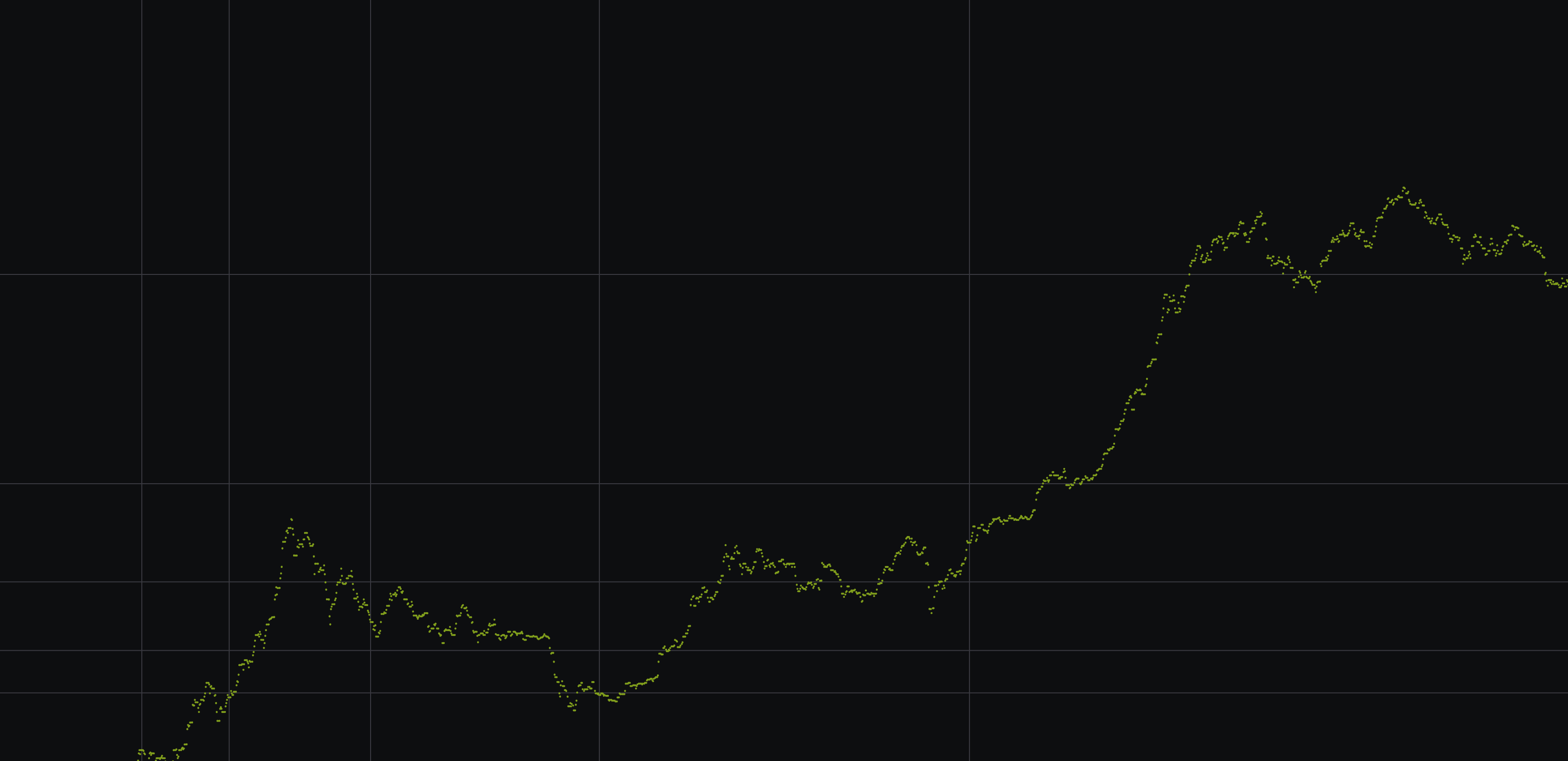
Long term holders selling (RHS) into bitcoin price run-ups (LHS)Il dollaro statunitense è la valuta più diffusa e liquida al mondo, e sta gradualmente erodendo la domanda monetaria globale complessiva attraverso il suo nuovo wrapper tecnologico, la stablecoin. Credo effettivamente che nel corso di questo secolo il dollaro farà una brutta fine, ma si tratta di processi che richiedono decenni e non sto certo con il fiato sospeso. Nel frattempo, con l’aumento costante del prezzo di bitcoin e la vendita graduale da parte dei detentori di lunga data man mano che emerge nuova domanda durante ogni fase di rialzo, sembra che una quantità sufficiente di monete sia disponibile a qualsiasi prezzo prevalga.

Pubblicato ilNov 3rd, 2025

Scrittore
Guida la ricerca su Bitcoin dal 2017.

Articoli correlati

Benvenuto to CoinShares

Dati personali

0102

Quando visiti il sito web di CoinShares, i cookie migliorano la tua esperienza. Ci aiutano a mostrarti contenuti più pertinenti. Alcuni cookie sono necessari per il funzionamento del sito e saranno sempre attivi. Bloccare alcuni tipi di cookie potrebbe influire sulla tua esperienza del sito web e sui servizi che offriamo sul nostro sito.

Utilizziamo i cookie sul nostro sito per ottimizzare i nostri servizi. Scopri di più sulla nostra politica sui cookie per l’UE o sulla nostra politica sui cookie per gli Stati Uniti.

  • Necessari
    Question circle icon
  • Preferences
    Question circle icon
  • Statistici
    Question circle icon
  • Marketing
    Question circle icon
I cookie necessari aiutano a rendere un sito web utilizzabile abilitando funzioni di base come la navigazione tra le pagine e l'accesso alle aree protette del sito. Il sito web non può funzionare correttamente senza questi cookie.
I cookie di preferenza permettono a un sito web di ricordare informazioni che modificano il modo in cui il sito si comporta o appare, come la lingua preferita o la regione in cui ti trovi.
I cookie statistici aiutano i proprietari del sito web a capire come i visitatori interagiscono con i siti raccogliendo e riportando informazioni in modo anonimo.
I cookie di marketing vengono utilizzati per tracciare i visitatori attraverso i siti web. L'intento è di mostrare annunci pertinenti e coinvolgenti per l'utente individuale, rendendoli così più preziosi per gli editori e gli inserzionisti di terze parti.