



Warum ein Bitcoin-Mining-ETP kein Bitcoin-ETP ist – und warum das wichtig ist
 5 Min. Lesezeit
Das Wachstum regulierter Krypto-Anlageprodukte in Europa hat es einfacher denn je gemacht, über ein Standard-Brokerage-Konto eine Bitcoin-Exponierung zu erhalten. Es hat zugleich eine neue Quelle der Verwirrung geschaffen. Bitcoin-ETPs und Bitcoin-Mining-Aktien-ETPs sind beide börsennotiert, beide reguliert und bewegen sich beide in gewissem Maße mit dem Bitcoin-Preis. Es handelt sich nicht um dieselbe Anlage, und sie als austauschbar zu behandeln, ist ein Fehler, den man frühzeitig vermeiden sollte.
Was ein Bitcoin-ETP tatsächlich hält
Ein Bitcoin-ETP hält Bitcoin. Das Produkt bildet den Spotpreis des Basiswerts ab, der bei einem regulierten Dritten verwahrt wird. Steigt Bitcoin um 10 %, steigt der ETP um etwa denselben Betrag. Es sind keine Unternehmen beteiligt, keine operativen Entscheidungen zu bewerten, keine Quartalsergebnisse zu lesen. Die Wertentwicklung wird nahezu vollständig durch eine einzige Variable bestimmt.
In Europa werden diese Produkte außerhalb des UCITS-Rahmens strukturiert, da die UCITS-Regeln eine Diversifikation über mehrere Vermögenswerte verlangen, die ein Einzel-Rohstoff-Fonds nicht erfüllen kann.¹ Für Anleger mit Mandaten, die ausschließlich auf UCITS beschränkt sind, ist dies keine Formalität. Es ist eine harte Einschränkung. Direkte Bitcoin-ETP-Exponierung bleibt daher, so gut reguliert sie auch sein mag, für einen erheblichen Teil der europäischen professionellen Anleger und Privatanleger allein aus diesem Grund unerreichbar.
Was ein Bitcoin-Mining-Aktien-ETP hält
Ein Bitcoin-Mining-Aktien-ETP hält Aktien börsennotierter Unternehmen. Diese Unternehmen produzieren zwar Bitcoin, sind aber in erster Linie Industrieunternehmen: Sie bauen und betreiben großskalige Rechenzentren, beschaffen Energie in großem Maßstab, setzen spezialisierte Hardware ein und konkurrieren über operative Effizienz. Ihre Erträge sind in Bitcoin denominiert; ihre Kosten sind in Strom denominiert.
Diese Kostenstruktur ist der Schlüssel zum Verständnis des Verhaltens dieser Produkte. Bitcoin-Miner sind in einem wesentlichen Sinne Energieunternehmen, die in Bitcoin bezahlt werden. Ihre Profitabilität hängt nicht nur vom Bitcoin-Preis ab, sondern von der Spanne zwischen dem Wert von Bitcoin und den Produktionskosten, die weitgehend eine Funktion von Strompreisen, Hardwareeffizienz und Netzwerk-Schwierigkeitsgrad ist. Ein Miner mit niedrigen Energiekosten und moderner ASIC-Hardware arbeitet mit einer völlig anderen Marge als einer, der ältere Ausrüstung mit teurem Netzstrom betreibt.² Die Kostenkurve innerhalb der Branche ist breit gefächert, und die Position auf dieser Kurve entscheidet darüber, wer einen Abschwung übersteht und wer nicht.
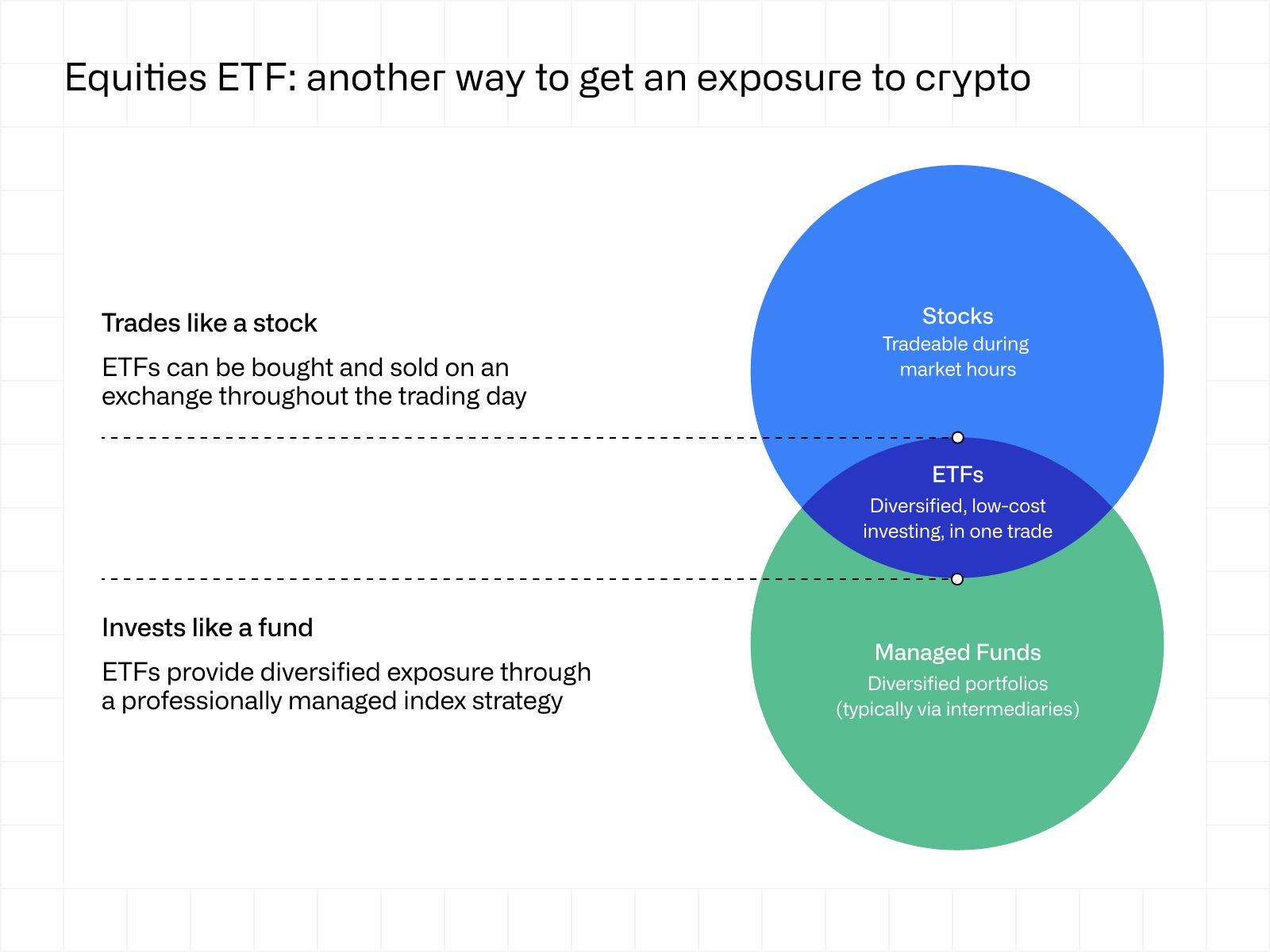
Da es sich bei den zugrunde liegenden Positionen um börsennotierte Aktien und nicht um einen digitalen Vermögenswert handelt, ist diese Struktur UCITS-fähig. Das löst das Zugangsproblem, das Bitcoin-ETPs nicht lösen können. Für europäische Anleger, deren Mandate eine direkte Krypto-Exponierung ausschließen, bietet ein als UCITS-Fonds strukturierter Bitcoin-Mining-Aktien-ETP eine bedeutsame, bitcoinbezogene Exponierung innerhalb eines vertrauten, täglich liquiden Mantels, ohne dass eine Änderung des bereits bestehenden Anlagerahmens erforderlich wäre. Die Bitcoin-Mining-Strategie von CoinShares, die am CoinShares Bitcoin Mining Index gemessen und von der Solactive AG verwaltet wird, baut genau auf dieser Grundlage auf.³
Die Hebeldynamik
Diese Kostenstruktur ist auch das, was den Hebeleffekt erzeugt. Steigt der Bitcoin-Preis und hat sich der Netzwerk-Schwierigkeitsgrad noch nicht entsprechend nach oben angepasst, weiten sich die Gewinnmargen der Miner schneller aus als der Basiswert selbst. Die Aktienbewertungen folgen. In starken Bitcoin-Märkten haben börsennotierte Miner historisch den Spotpreis von Bitcoin übertroffen; in Abschwungphasen haben sie ihn unterschritten.⁴ Die Verstärkung wirkt in beide Richtungen.
Dies ist kein Nebenaspekt der Anlagethese. Es ist die Anlagethese. Ein Bitcoin-Mining-Aktien-ETP bietet etwas, das ein Bitcoin-ETP strukturell nicht bieten kann: operativen Hebel auf den Bitcoin-Preis, vermittelt über reale Industrievermögenswerte mit Bilanzen, Cashflows und Wettbewerbsdynamiken. Für Anleger, die eine Bitcoin-Exponierung mit einem höheren Risiko-Rendite-Profil als der Basiswert selbst wünschen, gehören Mining-Aktien zu den wenigen Instrumenten, die dies innerhalb eines regulierten, UCITS-konformen Mantels liefern.
Regulierung und Zugang in Europa
MiCA, nun EU-weit in Kraft, hat einen einheitlichen Rahmen zur Regulierung von Krypto-Vermögenswert-Produkten und ihren Emittenten geschaffen.⁵ Für Privatanleger besteht der praktische Effekt darin, dass europäisch notierte Bitcoin-ETPs und Bitcoin-Mining-Aktien-ETPs nun nach klar definierten Standards für Offenlegung, Verwahrung und Verhalten operieren. Die regulatorische Infrastruktur, die historisch die Voraussetzung für institutionelle Allokation war, ist inzwischen weitgehend vorhanden.
Für Privatanleger ist die Implikation einfacher: Die heute über ein europäisches Standard-Brokerage-Konto verfügbaren Produkte sind nicht die unregulierten Instrumente einer früheren Ära. Sie werden beaufsichtigt, unterliegen Offenlegungspflichten und sind auf den Markt zugeschnitten, wie er unter MiCA besteht.
Zwei Produkte, zwei Thesen
Ein Bitcoin-ETP ist eine Position auf den Basiswert. Ein Bitcoin-Mining-Aktien-ETP ist eine Position auf die Ökonomie seiner Produktion, mit allen industriellen, finanziellen und energiewirtschaftlichen Variablen, die dies mit sich bringt, verpackt in einer Struktur, auf die europäische Anleger unabhängig von Mandatsbeschränkungen zugreifen können. Zu wissen, welches der beiden Produkte man kauft, und warum, ist der Ausgangspunkt der Analyse.
Quellen
European Securities and Markets Authority (ESMA), UCITS-Eignungskriterien
Bloomberg, CoinShares; Stand der Daten: Schlusskurs vom 30. März 2026
Solactive, Methodik des CoinShares Bitcoin Mining Index; Stand der Daten: 7. Mai 2026
Bloomberg, CoinShares; Stand der Daten: Schlusskurs vom 29. April 2026
Europäisches Parlament, Verordnung (EU) 2023/1114 über Märkte für Kryptowerte (MiCA)
Veröffentlicht amJuli 21st, 2026