A data-driven look at institutional bitcoin exposure in Q3 2025
 5 min read
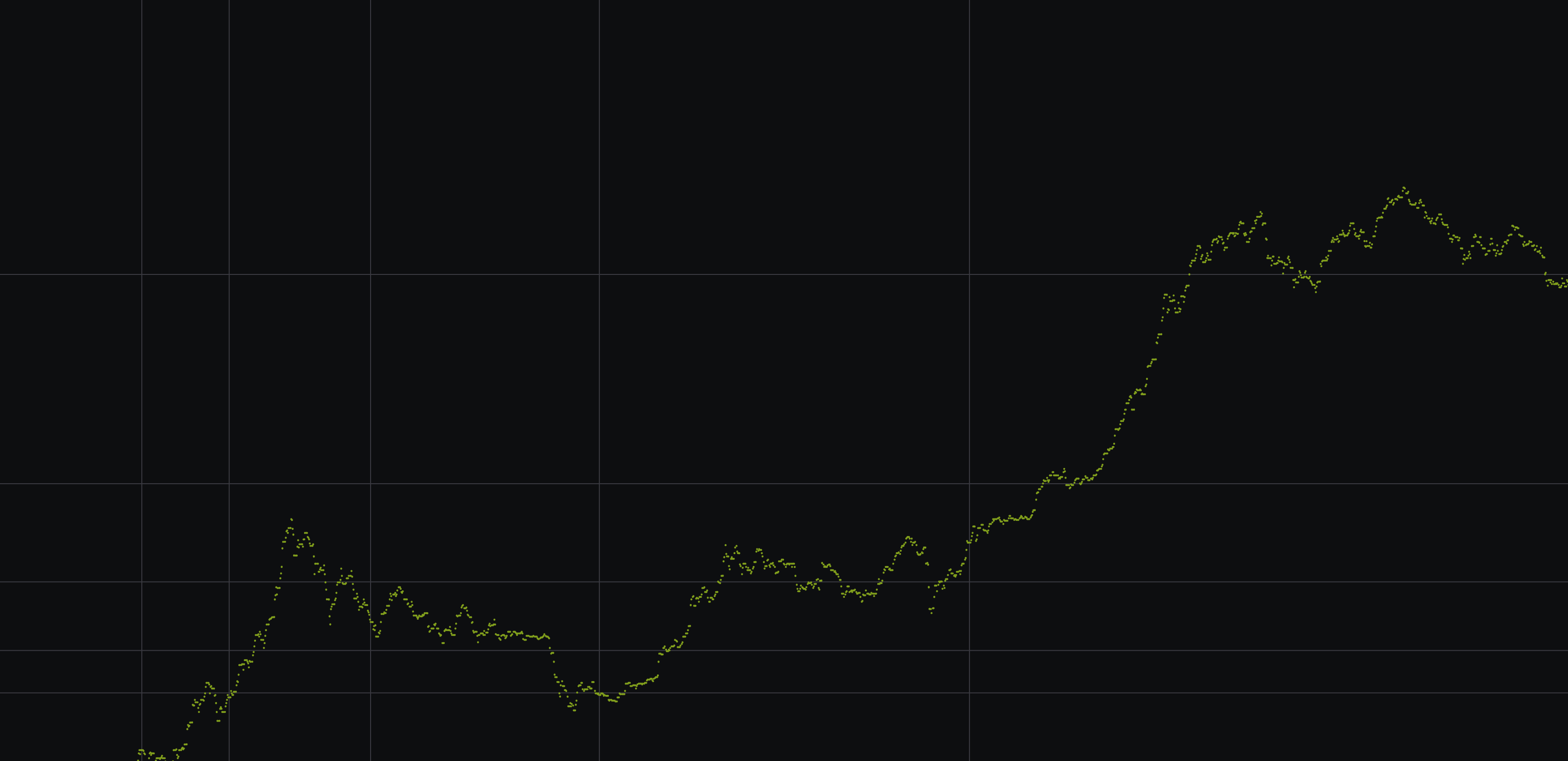
Bitcoin fell 11% this past week, making four straight weeks of negative price action. It was just less than two months ago that bitcoin had touched a record high price over $126k. Yet now, market sentiment seems overwhelmingly fearful, 35% beneath the highs.
Undoubtedly, the attention of the moment is focused on price. Market participants are trying to understand the reason(s) for this drawdown as well as any reasonable explanation of how low it might go.
However, just for this article, we’d like to turn your attention elsewhere. The deadline for the latest round of 13F filings has just passed. Meaning, we now have an opportunity to understand the bitcoin exposure of deep pocket financial professionals via the US ETF complex. Thus, amid the shuffle of a price-sensitive news cycle, this article will lean into the objectivity of SEC reports, aiming to inform of the non-retail demand vector for bitcoin.
The SEC’s 13F filings unveil the quarterly holdings of US firms managing over $100 million in assets, with the latest round pertaining to Q3 2025. We measured over $12.5bn of net flow was recorded into global bitcoin ETFs in Q3. In this article, we will look into the questions of who, how much, to which products, and what likelihood this demand vector can continue for bitcoin. We’ll mix this round of 13F data release with previous quarterly releases to help answer these questions.
Q3 13F data confirms rising allocations among professional investors, especially investment advisors
The latest 13F reports are a timely reminder that the structural demand base for bitcoin continues to increase. Despite the backdrop of price volatility, US listed bitcoin ETFs have consistently grown, and so have the number of institutions reporting exposure to them. Q3 2025 was no exception, both ETF assets under management (AUM) and the cumulative holdings of 13F filers once again moved higher.
Quarter over quarter, bitcoin’s price rose 6.4%; US bitcoin ETF AUM rose 13%; reported 13F holdings rose nearly in tandem at 12%. It’s a steady and positive picture. The main takeaway being that a growing share of bitcoin supply continues to be absorbed through regulated products and professional investors.
 As of Q3 end, 13F filers account for 24% of the AUM in the US bitcoin ETF complex, and the average portfolio allocation size of reporters remain below 1%. We see it as allocators taking cautious entries, with still ample room for future fund flows, both by the size of allocations increasing and from sidelined professionals. This can be the case even without any significant shifts in institutional risk appetite, in our view.
Concentration across ETF issuers also remains a defining characteristic of these bitcoin products. Grayscale, BlackRock, and Fidelity represent 89% of total US bitcoin ETF assets. Perhaps surprisingly, there is little discrepancy between the preference of the broader market and 13F filers when it comes to product. The scale and reputation of traditional issuers alongside the first mover advantage of, soon to be publicly listed, Grayscale are keeping a foothold on overall market share.
 Moving forward to the “who”, advisors remain the most significant source of growth. In the above chart, we strip out the price changes QoQ to observe bitcoin-equivalent positioning. With this, we estimate advisors now hold 185,000 BTC equivalent exposure, accounting for 57% of total 13F reported bitcoin assets and more than double the holdings of hedge funds. From our experience, we find the cause is likely from continued client demand and the increasing normalization of bitcoin within diversified portfolios. Advisors have seemingly become the most consistent marginal buyers of bitcoin since the ETFs launched. It’s a promising trend for long-term bitcoin investors.
Beyond the aggregate patterns, this round of filings revealed several notable changes among individual institutions.
Harvard’s endowment increased its exposure by 257%, reaching 3,868 BTC equivalent, or $441.2m at the time of their filing. While small relative to their portfolio, their reputation as a long-standing and conservative institution is material. Likewise, their growing allocation size is encouraging. In other endowment news, Emory University also increased its position, by 91% to 456 BTC equivalent, or $52.1m dollars.
Al Warda in the United Arab Emirates reported ownership for the first time, with 4,521 BTC equivalent, or $515.6m. In a comment provided to Bloomberg, the Abu Dhabi Investment Council (ADIC) noted, “We view Bitcoin as a store of value similar to gold, and as the world continues to move toward a more digital future, we see Bitcoin playing an increasingly important role alongside gold. Both assets contribute to diversifying our portfolio, and we expect to hold them as part of our near and long-term strategy.” We couldn’t agree more with the ADIC and suggest even reading that quote one more time. Their reasoning is just as important as the allocation itself, especially following the entry last quarter of the UAE’s Mubadala sovereign wealth fund. Take note, we certainly plan to continue following the middle east as an increasingly likely market segment for institutional bitcoin demand.
Large traditional broker dealers and banks also increased their positioning. Wells Fargo reported $491m of exposure, Morgan Stanley reported $724m, and JP Morgan reported $346m. To us, it's indicative of continued integration of bitcoin ETF products across major financial intermediaries.

Institutional participation is steadily growing, not slowing
In times of volatile price action, we encourage taking a step back to assess the fundamentals. Despite the price swings decreasing in magnitude over the long-term, crypto assets have a long history of both hype and panic. Among the price-sensitive news cycles, consider the overall supply and demand prospects of bitcoin. Conveniently, the supply-side is quite forecastable, so the questions almost solely end up about demand.
What the 13F filings are telling us is that professional allocators are slowing but surely entering the bitcoin market through spot ETFs. While still relatively small, this is what you want to see as a long-term bitcoin investor. More passive and structural demand, less reactive and price-sensitive demand.
In the end these filings tell us that institutional participation in bitcoin is steadily expanding, and we root for it to continue, such that a gradual build-up of professional demand reduces the type of short-term price swings we’ve experienced lately.